

Hey there! As a supplier of stainless steel tote tanks, I often get asked if these tanks can be used for storing bio - fuels. Well, let's dive right into it and explore this topic in detail.
First off, what are bio - fuels? Bio - fuels are renewable energy sources derived from living materials, like plants and animal fats. They've gained a lot of popularity in recent years as a more sustainable alternative to traditional fossil fuels. Some common types of bio - fuels include biodiesel, bioethanol, and biogas.
Now, let's talk about stainless steel tote tanks. These tanks are made from stainless steel, a material known for its durability, corrosion resistance, and strength. They come in various shapes and sizes, and are widely used for storing all sorts of liquids and materials. If you're interested in checking out our different types of stainless steel storage options, you can click on these links: Stainless Steel Tote Bin, Stainless Steel 304 Coating Storage Tank with CIP Ball, Stainless IBC, Powder Tank, and Steel Totes.
So, can a stainless steel tote tank be used for storing bio - fuels? The short answer is yes, in most cases. Stainless steel has excellent corrosion resistance properties. Bio - fuels, especially biodiesel and bioethanol, can be corrosive to some materials over time. But stainless steel can withstand this corrosion, which helps to keep the bio - fuel in good condition and also extends the lifespan of the storage tank.
One of the key factors is the grade of stainless steel. The most common grade used for storage tanks is stainless steel 304. It offers a good balance of cost and performance. It's resistant to both general corrosion and pitting corrosion in many bio - fuel environments. Another popular choice is stainless steel 316, which is even more corrosion - resistant than 304, especially in environments where there may be higher levels of chloride or other aggressive substances.
However, it's not all just about corrosion resistance. There are other things to consider as well. For instance, the compatibility of the seals and gaskets in the tote tank with bio - fuels. These components can sometimes be affected by the chemical properties of bio - fuels. Some types of rubber or plastic seals may swell, shrink, or degrade when in contact with bio - fuels. So, it's important to make sure that the seals and gaskets are specifically designed to be compatible with bio - fuels.
Another aspect is the need for proper ventilation. Bio - fuels can release vapors, and in some cases, these vapors can be flammable. A well - ventilated stainless steel tote tank can help to prevent the build - up of flammable vapors, reducing the risk of fire or explosion. Additionally, proper ventilation can also help to prevent the condensation of moisture inside the tank, which could potentially cause issues with the bio - fuel quality.
Temperature is also a crucial factor. Bio - fuels can be sensitive to temperature changes. Extreme cold can cause some bio - fuels to thicken or even solidify, while high temperatures can lead to oxidation and degradation of the fuel. Stainless steel tote tanks can help to moderate temperature changes to some extent, but it's still important to store the tanks in a location where the temperature is relatively stable.
When it comes to cleaning and maintenance, stainless steel tote tanks are relatively easy to clean. They can be cleaned using common cleaning agents, and the smooth surface of stainless steel makes it difficult for contaminants to stick. Regular cleaning is essential to prevent the growth of bacteria and fungi, which can affect the quality of the bio - fuel.
Now, let's talk about the benefits of using stainless steel tote tanks for bio - fuel storage. Firstly, as I mentioned earlier, their durability means that they can last for a long time, reducing the need for frequent replacement. This can save you a lot of money in the long run. Secondly, since stainless steel is a non - reactive material, it won't contaminate the bio - fuel. This helps to maintain the quality of the fuel, which is crucial for its performance.
In addition, stainless steel tote tanks are environmentally friendly. They are recyclable, which aligns well with the sustainable nature of bio - fuels. And because they can prevent leaks and spills better than some other types of storage containers, they help to protect the environment from potential bio - fuel contamination.
However, there are also some potential drawbacks. Stainless steel tote tanks can be more expensive upfront compared to some other types of storage options. But when you consider their long - term durability and performance, the investment is often worth it. Also, they are heavier than some plastic or fiberglass storage containers, which can make transportation and installation a bit more challenging.
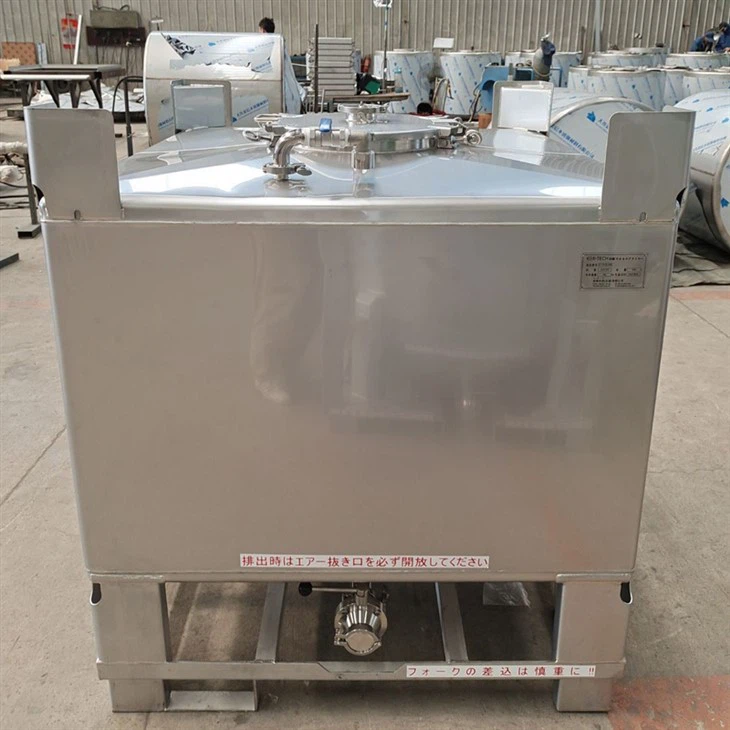
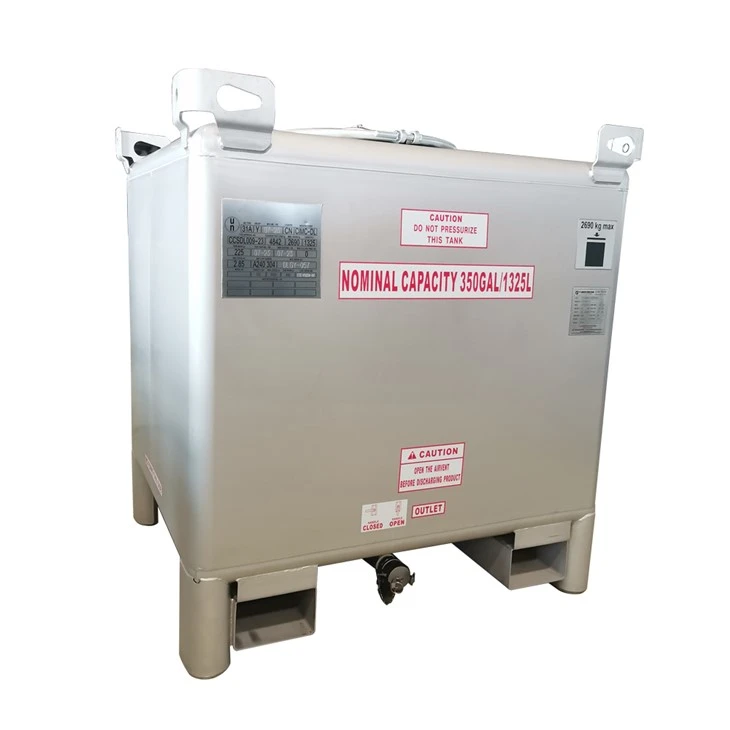
In conclusion, stainless steel tote tanks can be a great option for storing bio - fuels. They offer excellent corrosion resistance, are relatively easy to clean and maintain, and can help to preserve the quality of the bio - fuel. But it's important to consider factors like the grade of stainless steel, seal compatibility, ventilation, temperature, and cost.
If you're in the market for a reliable storage solution for your bio - fuels and are interested in our stainless steel tote tanks, feel free to get in touch with us to discuss your specific needs. We'd be more than happy to help you find the perfect tank for your bio - fuel storage requirements.
References
- ASTM Standards on Bio - fuel Storage and Testing
- Industry Reports on Stainless Steel Applications in Fuel Storage